
Would Metal Detectors Bring More Harm Than Good in WPS?
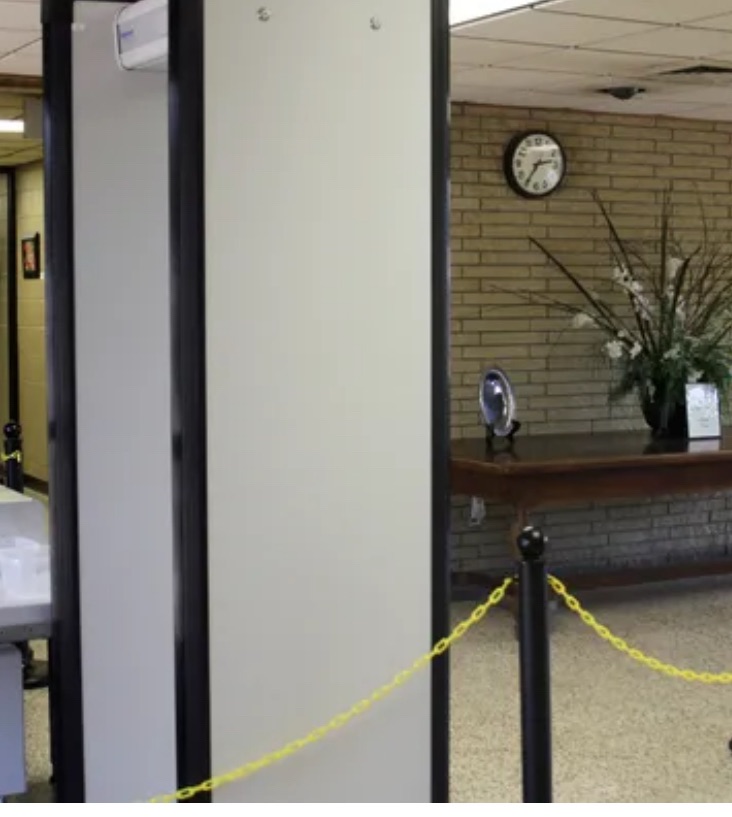
Let’s consider the ramifications for installing Metal Detectors in Waterbury Public Schools.
1. Security Theater with Racial Bias?
Research consistently shows that metal detectors are more likely to be installed in schools with majority Black and Latino populations—even when crime rates are comparable to majority-white schools.
- A national sample of 2,510 public schools found that metal detectors were 18 times more likely in schools with ≥ 50% students of color compared to those with < 20%—regardless of actual misconduct levelshoustonchronicle.com+15cfjj.org+15stateofopportunity.michiganradio.org+15eurekalert.org+1sciencedaily.com+1.
- Black students are 4.8 times, and Latino students 2.7 times, more likely than white students to pass through metal detectors eurekalert.org+3cfjj.org+3www1.udel.edu+3.
2. Criminalization by Design?
Metal detectors can signal that students are presumed suspicious upon entry—turning daily routines into security screenings that send a powerful message: “You are a potential threat.”
- A 2017 study concluded that such surveillance “delegitimizes the educational process, perpetuates racial inequalities, weakens trust” and conveys that minority students have fewer rights cfjj.org.
- Research from Michigan highlighted that metal detectors and strict policing in schools “criminalize minority students” houstonchronicle.com+15stateofopportunity.michiganradio.org+15teenvogue.com+15.
3. Emotional Impact & School Climate?
Rather than improving safety, metal detectors can erode students’ sense of belonging and increase anxiety—especially among those already marginalized.
- In schools with metal detectors, students often feel less safe and believe their environment is more disorderlyreddit.com+2cfjj.org+2researchgate.net+2.
- UCLA’s Pedro Noguera warned that surveillance practices begin to make schools feel “more like prisons,” amplifying stress, tardiness, and drop‐outs theatlantic.com.
4. Feeding the School-to-Prison Pipeline?
When daily screenings are combined with zero-tolerance rules and law enforcement presence, the result often pushes students—particularly Black and Latino youth—out of school and into the juvenile justice system.
- Black students are three times more likely to be suspended and involved in school-related arrests and expulsions than white counterparts cfjj.org+15en.wikipedia.org+15theatlantic.com+15.
- A stricter school climate increases suspension days by 0.43 for Black/Hispanic students vs. 0.21 for non‑minority students—and correlates with higher adult arrest/incarceration rates educationnext.org.
5. Echoes from Students & Communities
Voices from impacted communities echo these findings:
“Machines are more likely to escalate violence for people of color… children don’t respond equally… because they’ve been entangled with the justice system.”
6. Are Metal Detectors the Solution—or the Problem?
Proponents argue detectors prevent weapons. Critics call it “security theater” that addresses symptoms without tackling causes—and in doing so, enforces systemic bias.
- A 15-year meta-analysis found insufficient evidence that detectors reduce violence; some studies even connect them to worsened perceptions of safety reddit.comcfjj.org.
- They disproportionately burden students of color, reinforcing the notion that certain students are inherently dangerous.
🛠 ✨ Moving Toward Equitable Safety
To prevent unintentional harm and bias, schools must look beyond hardware:
- Conduct equity impact audits before installing detectors.
- Implement trauma-aware training for staff to avoid over-policing minor infractions.
- Invest in restorative justice, counselors, and student support programs that promote trust and belonging .
- Reduce zero-tolerance and police presence, replacing them with relationship-based approaches.
✔️ Key Takeaway
Metal detectors, as a one-size-fits-all approach, risk embedding racial bias into the school experience. The data clearly show they’re more frequently used in minority schools—without evidence of improved safety—while actively contributing to student criminalization and the school-to-prison pipeline. For real change, school leaders must pivot to inclusive, supportive, and equity-driven strategies with Metal Detectors being used only in cases where the data is strong to suggest a significant difference in safety can be made.
Share your thoughts with us across our family of social media platforms at the Waterbury Times
 The Waterbury Times- Waterbury,CT Local News
Leave a comment