
By Parker Jane Public Benefit Corporation / The Waterbury Times
This article is part of a public education series from Parker Jane PBC, aligned with our stated public benefit mission: to inform, engage, and empower communities in pursuit of equity, economic opportunity, and civic well-being.
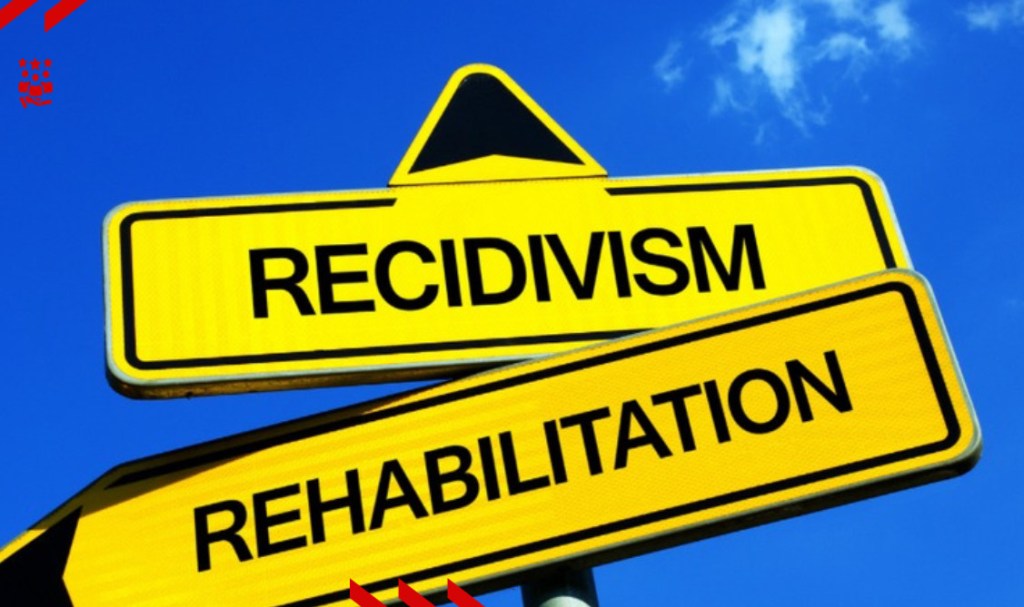
Understanding Recidivism
Recidivism refers to the tendency of individuals who have been previously incarcerated or involved in the criminal legal system to be re-arrested, reconvicted, or returned to custody—often within a few years of their release.
Nationally, within 3 years of release, about 2 out of 3 formerly incarcerated individuals are rearrested. Within 5 years, that number grows to over 75%, according to data from the Bureau of Justice Statistics.
It’s not just a number. It represents real people—many of whom struggle to find stable housing, employment, mental health support, or simply a second chance. It also represents real costs: for cities, for public safety, and for families caught in the cycle.
What Drives Recidivism?
- Lack of Reentry Support: Individuals are often released without adequate access to housing, healthcare, employment, or ID documentation.
- Employment Barriers: A criminal record drastically reduces job opportunities, even for qualified candidates.
- Unaddressed Trauma & Addiction: Many return to the same circumstances that led to incarceration—without treatment or community support.
- Parole & Probation Violations: Technical violations (not new crimes) account for a significant percentage of returns to prison.
- Social Isolation: Disconnection from family, mentors, and pro-social networks increases the likelihood of reoffending.
How Do We Break the Cycle?
At Parker Jane PBC, we believe that public benefit journalism must do more than report problems—it must elevate solutions. Here are a few:
1. Invest in Reentry Infrastructure
Programs that offer transitional housing, job training, and mental health care have shown measurable reductions in recidivism.
2. Fair Chance Hiring
Employers who give second chances not only support recovery—they tap into overlooked talent. Ban-the-box policies and partnerships with local businesses are key.
3. Youth Diversion Programs
Early intervention—before a young person enters the legal system—can reroute lives. Mentorship, restorative justice, and community-led alternatives are effective tools.
4. Civic Inclusion
Restoring voting rights, promoting community engagement, and treating returning citizens as full participants in civic life improves outcomes across the board.
5. Narrative Shift
We must change the story—from punishment to possibility. That’s where local media comes in.
Parker Jane PBC’s Commitment
As part of our public benefit mission, Parker Jane PBC and The Waterbury Times are committed to:
- Highlighting local reentry and youth diversion efforts
- Creating space for directly impacted voices
- Partnering with organizations that provide reentry support
- Pushing for equity in housing, employment, and education for returning citizens
This is Article 1 in a multi-part series focused on recidivism, reentry, and youth justice. Future stories will highlight Waterbury-based programs, formerly incarcerated entrepreneurs, and policy ideas rooted in equity and reform.
If you are part of a local organization working on reentry or youth diversion—or you have a personal story to share—we want to hear from you. Email us or reach out via social media.
Together, we can help build a city where everyone has a path forward.
 The Waterbury Times- Waterbury,CT Local News
Leave a comment