
By D.M.Livingston|Published Aug 18, 2025
Updated Nov 23, 2025 7:20PM
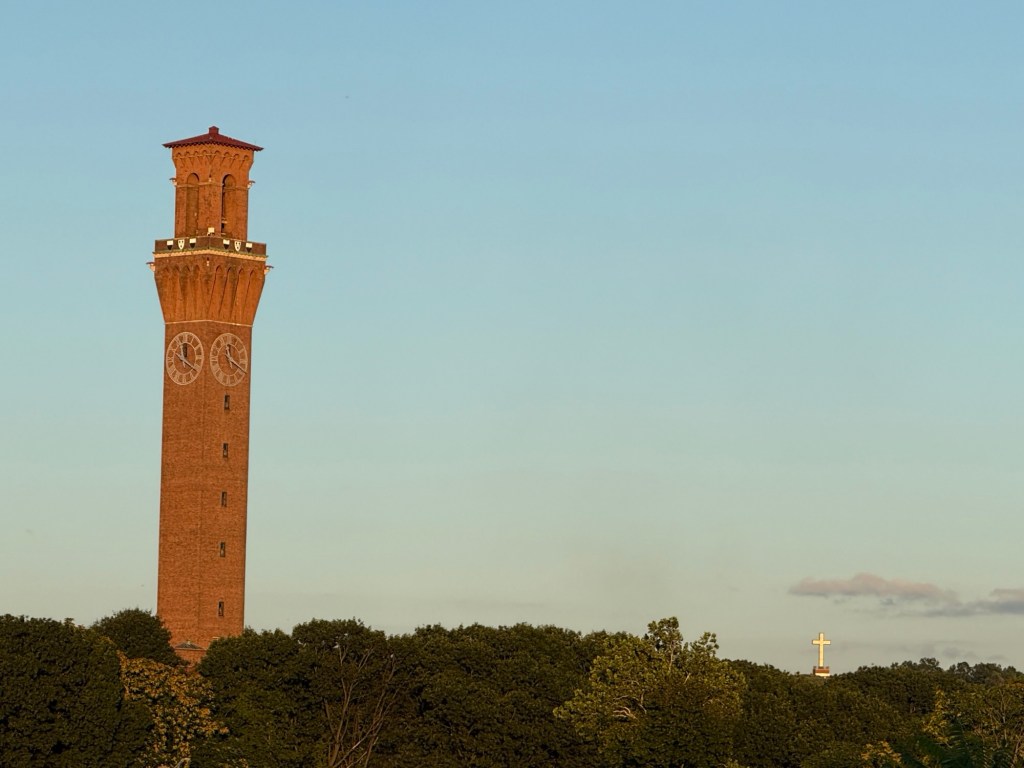
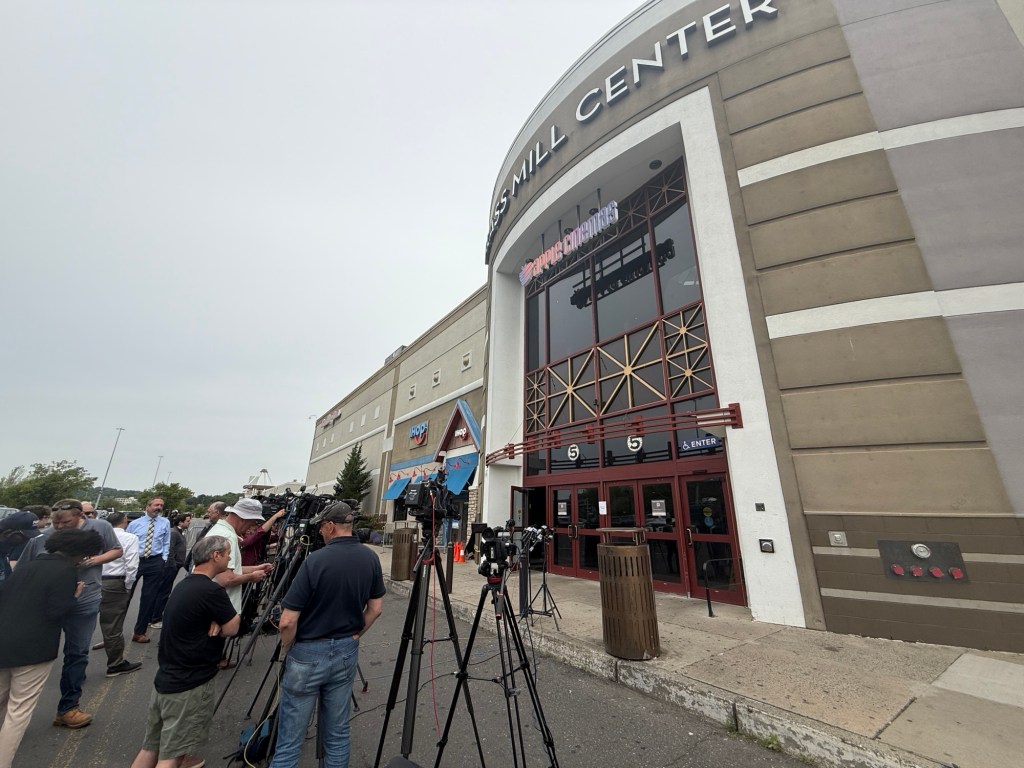
Waterbury, CT – The Brass Mills Center, once the shining beacon of modernity, opened its doors in 1997, promising a new era for Waterbury’s economy and retail landscape. But in the years that followed, it became clear that this sprawling shopping mall would come at a heavy price. It was the beginning of the end for Waterbury’s historic downtown, a victim of the rising trend of suburban megamalls and changing consumer habits.
Shooting at Brass Mill Center Shakes Waterbury- Update
For decades, downtown Waterbury languished. The vibrant main street, once lined with mom-and-pop shops, local diners, and offices, struggled to stay afloat as the Brass Mills Center drew shoppers away like a magnet. Big-box stores and national chains dominated the mall’s space, siphoning business from local businesses that couldn’t compete with the convenience of one-stop shopping.
It wasn’t just the mall’s size or the retail giants that decimated downtown—this was a cultural shift, too. With the mall offering air conditioning, ample parking, and everything from a food court to a movie theater, who needed the hustle and bustle of West Main Street?
The Mall’s Dominance: A Double-Edged Sword
For a time, it seemed like Waterbury’s future was firmly entrenched in this mall-centric world. The mall brought in shoppers, provided jobs, and was, to some, a symbol of growth. Yet as the years went by, the very thing that had once breathed life into the city began to drain it. Small businesses closed, once-vibrant storefronts became vacant, and even the grandiose facades of historic buildings began to fade into obscurity.
It wasn’t just Waterbury—this was a nationwide trend. The rise of the Brass Mills Center coincided with the height of the suburban mall era, a time when major shopping centers began replacing downtowns across the country. Waterbury was merely a microcosm of a larger cultural shift.
Then Came the Internet – and the Decline of the Mall
But then came the internet.
The late 2000s marked the beginning of a sharp decline in mall popularity. Online shopping provided the ultimate convenience, offering everything from electronics to clothing to groceries with just a few clicks. Suddenly, the Brass Mills Center’s massive anchor stores, like Sears and Macy’s, began to shutter, a sign of what was to come. The internet was doing what no mall could: connecting people to an infinite marketplace, free from the need for parking lots or mall security.
By the time social media, e-commerce platforms, and mobile apps took over, the era of the mall was already in the rearview mirror. Shopping centers, which had once been bustling social hubs, started to feel more like ghost towns.
The Downtown Revival: The Phoenix Rises
And yet, in a twist that even the most forward-thinking urban planners wouldn’t have predicted, downtown Waterbury is now experiencing something of a renaissance.
In the wake of the mall’s decline, developers and local government have started pouring resources into revitalizing the downtown area. A blend of historic preservation and modern urban planning is creating a new vibe—one that balances the best of Waterbury’s past with the promise of a more sustainable future. Coffee shops, boutique stores, and tech startups have slowly but surely returned, attracted by the area’s growing cultural and media scene.
This revival isn’t just about businesses. There’s a new sense of community. The once-forgotten storefronts are becoming cultural hubs, and Waterbury’s downtown is once again becoming a place to see and be seen.
Conclusion: A Full-Circle Moment
The story of Waterbury’s downtown is a reflection of a larger shift happening across the country. As the mall era fades, cities are rediscovering the importance of walkable, locally-driven spaces. The Brass Mills Center, once a beacon of Waterbury’s sprawl, may have killed downtown—but, in a strange twist of fate, the internet may be what ultimately resuscitates it.
What started as the death knell for Waterbury’s core could soon be remembered as the catalyst for its revival. Who would’ve thought that the rise of digital commerce would be the spark needed to bring downtowns back to life?
In the end, maybe it was all just a detour. A detour that, for all its costs, gave us a deeper appreciation for the value of local communities.
 The Waterbury Times- Waterbury,CT Local News
Leave a comment