
By D.M.Livingston|Published Sept 3, 2025
UPDATED NOV 23, 2025 8:46AM
Waterbury, CT In the spring of 2020, when the world suddenly shut down in response to the COVID-19 pandemic, students everywhere faced a disruption like no other. Among the most affected were the young children who were in kindergarten or early elementary school at the time. Now, as these children—who were just beginning their educational journeys—approach middle school, we are beginning to see the long-term effects of that interrupted education. The shift to remote learning, while necessary, had a profound impact on their academic, social, and emotional development.
The Unintended Pause: What Happened to Kindergarteners and Early Elementary Kids?
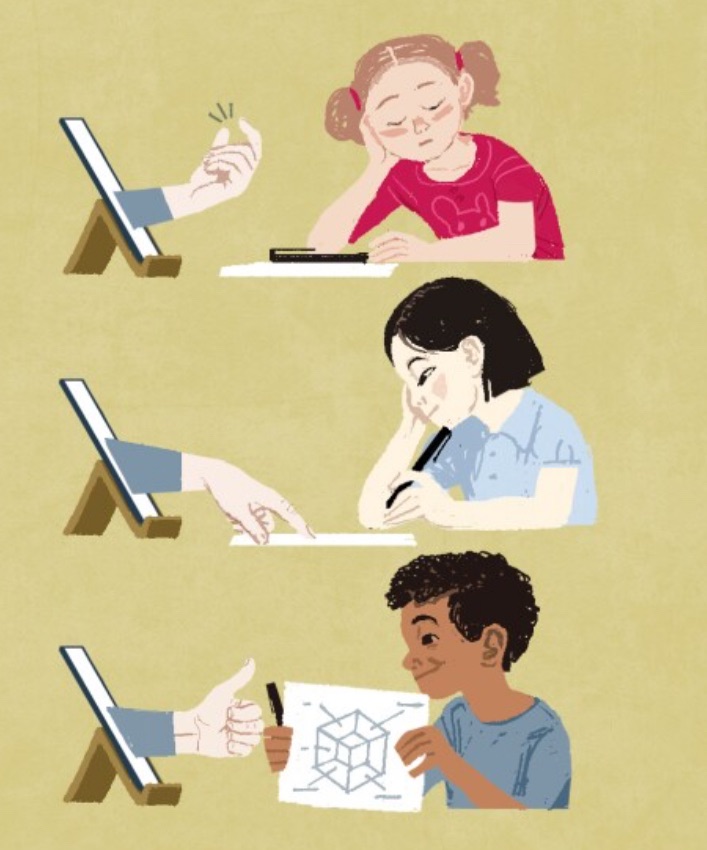
For the class of 2032—kindergartners who began their education during the fall of 2020—their first exposure to school was not in a classroom, but through a computer screen. Parents and teachers scrambled to make online learning as effective as possible, but many of the crucial benefits of in-person schooling were lost in the transition.
Kindergarten and early elementary school are critical developmental periods. They are when kids learn fundamental skills such as reading, math, social interaction, and emotional regulation. For children who were supposed to spend these formative years in the classroom, much of this learning was either disrupted or altered significantly.
The remote learning environment created a series of challenges for these children:
- Academic Gaps: Early education is where students build their foundation in literacy and numeracy. Many kids who started kindergarten or first grade in 2020 experienced delays in mastering essential skills such as reading, basic arithmetic, and handwriting. Teachers, working with remote tools, had limited opportunities to provide individualized support or address struggling students.
- Social Skills Deficit: Kindergartners learn how to navigate social interactions—how to share, communicate, collaborate, and resolve conflicts. Remote learning eliminated the daily in-person interactions that helped kids build these essential social skills. Instead of learning to read faces and body language, children were limited to communicating through screens, missing the nuances of in-person social cues.
- Emotional Development: Early childhood education isn’t just about academics—it’s also about emotional and psychological growth. Teachers help children understand and manage their feelings, cope with frustrations, and develop empathy for others. Remote learning, particularly for young children, can feel isolating, and many experienced feelings of loneliness or anxiety. The lack of a structured, nurturing school environment prevented many kids from fully developing emotionally during these crucial years.
- Engagement Issues: In a classroom, teachers can use hands-on activities, play, and peer interactions to keep children engaged. At home, especially for younger kids, maintaining attention on a screen for long periods is incredibly difficult. Many parents, juggling work and other responsibilities, were unable to provide the level of support children needed during this time.
Inside the Numbers: A Deep Look at the Waterbury Public School District
How These Kids Are Now Approaching Middle School
As these children now approach the threshold of middle school, they are entering a pivotal stage of their educational journey. The transition to middle school typically involves a shift toward more independent learning, more complex social interactions, and a greater emphasis on academic achievement. For many of the kids who experienced disrupted schooling during the pandemic, these milestones will come with added challenges.
- Academic Gaps and Delayed Learning: As students move into upper elementary and middle school, they will encounter more advanced content, such as multiplication, division, reading comprehension, and critical thinking skills. Many of these students are coming into middle school with gaps in their foundational knowledge. This can lead to challenges in keeping up with the curriculum, leading to frustration or even disengagement. For some, this means requiring more intensive intervention programs, like tutoring or special education support.
- Behavioral and Emotional Challenges: The emotional toll of the pandemic is also becoming evident as these students grow older. Kids who missed out on traditional social experiences may be struggling with anxiety, depression, or behavioral issues. The transition to middle school, a time when kids are beginning to assert their independence and navigate complex peer dynamics, can be overwhelming for students who never fully had the chance to practice these social skills in elementary school.
- Learning to Engage with Teachers Again: Many students who grew up with remote learning now find it more challenging to engage in a traditional classroom environment. Being able to pay attention for extended periods, listen to teachers, and participate in discussions can feel foreign. The shift back to in-person learning (in schools that have fully reopened) means these students are not only catching up academically but also learning how to be present in the classroom environment itself.
- Diverging Learning Paths: While some students have thrived in a remote learning environment—becoming more independent and self-motivated—others have fallen behind. As they enter middle school, it is likely that there will be a significant disparity in academic and social skills. Educators and parents will need to be especially vigilant in addressing the needs of these students, offering remediation when necessary and providing emotional support to help them rebuild their confidence.
Waterbury Education News — Schools, Busing, BOE Updates & Parent Alerts
The Way Forward: Interventions and Support
To address the challenges faced by students who were affected by the COVID-19 school closures, several strategies and interventions are necessary.
- Individualized Learning Plans: Some students may need tailored academic support, including remedial classes, tutoring, or enrichment programs. Schools will need to identify the specific gaps in knowledge that have developed and provide targeted support to help students catch up.
- Social-Emotional Learning (SEL): Programs aimed at rebuilding social skills, emotional regulation, and resilience are essential for these students. Teachers and school counselors should be prepared to help students reintegrate into the social dynamics of a traditional classroom and provide guidance on managing the anxiety or isolation that may have developed during the pandemic.
- Increased Parent and Community Engagement: Parents, teachers, and community organizations must work together to create a supportive learning environment. This may involve workshops, support groups, and more accessible resources for parents to help bridge the gap between school and home learning.
- Innovative Teaching Approaches: As a result of the pandemic, many educators have become more adept at using technology to supplement in-person teaching. Blending traditional and digital learning can provide a more flexible, engaging educational experience for students who need extra help. Hybrid learning models can also help students navigate the challenges of transitioning between remote and in-person environments.
Conclusion
The generation of children whose early education was interrupted by the pandemic faces challenges that are both academic and emotional. As these kids approach middle school, they bring with them the effects of a disrupted early education experience. However, with thoughtful interventions and support from educators, parents, and communities, these students can overcome their gaps and develop into resilient, well-rounded individuals. As we move forward, it’s crucial that we continue to provide the resources and care needed to help them thrive in both their academic and personal lives.
 The Waterbury Times- Waterbury,CT Local News
Leave a comment