
By D.M. Livingston
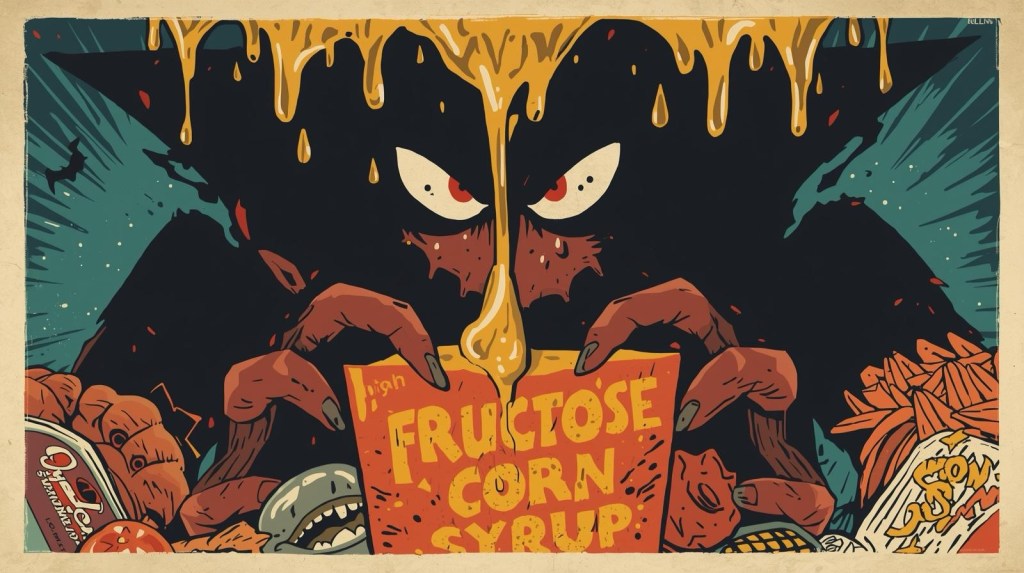
Waterbury, CT- If you grew up in the 1980s, chances are your favorite soda, snack, or cereal changed — and you didn’t even know it. The sugar disappeared, replaced by a cheaper, longer-lasting sweetener that would quietly reshape the American diet: High Fructose Corn Syrup (HFCS).
What started as a lab innovation soon became a billion-dollar industry — one that transformed how we eat, how we farm, and how corporations profit.
🌽 The Science of Sweet
High fructose corn syrup is made by taking corn starch and using enzymes to turn part of its glucose into fructose, a sweeter sugar found naturally in fruit. It looks and tastes like liquid sugar — but the difference is cost, not chemistry.
Developed in Japan in the 1960s, the process was perfected by U.S. researchers Dr. Richard Marshall and Dr. Earl Kooi, who realized they could create an endless, cheap source of sweetness from corn.
💰 The Perfect Storm of Policy and Profit
By the mid-1970s, U.S. companies like Archer Daniels Midland (ADM) and Cargill began mass-producing HFCS. But its rise wasn’t just about science — it was about politics and economics.
The U.S. government had started subsidizing corn farmers, driving the price of corn way down. At the same time, tariffs and quotas made imported cane sugar more expensive. The result? A clear financial winner: corn syrup.
It was cheaper, easier to transport, and more profitable.
🥤 The Coke and Pepsi Pivot
The real game changer came in the early 1980s, when Coca-Cola, Pepsi, and other major beverage companiesswitched from sugar to high fructose corn syrup in most of their sodas.
The difference was invisible to the consumer — but enormous for the corporations. HFCS cost 20–30% less than sugar and gave products a longer shelf life. From that point on, the floodgates opened.
Within a decade, HFCS was in nearly everything — ketchup, yogurt, salad dressing, bread, cereal, even “healthy” snacks.
⚠️ The Health Consequences
As HFCS consumption skyrocketed, so did rates of obesity, type 2 diabetes, and fatty liver disease. While scientists debate whether HFCS is worse than sugar molecule-for-molecule, one thing is clear:
Americans began consuming far more added sugar overall — without realizing it.
At its peak, the average person was eating or drinking over 60 pounds of high fructose corn syrup a year.
🧩 The Bigger Picture
The story of HFCS isn’t just about food — it’s about policy, power, and perception.
- A government wanted to protect U.S. farmers.
- Corporations wanted cheaper ingredients.
- Consumers wanted convenience.
Together, they created one of the most profitable (and controversial) food shifts in modern history.
🔄 The Shift Back
Today, as consumers grow more label-conscious, companies are quietly moving back toward “real sugar” and natural sweeteners. But the corn industry still stands tall — backed by decades of infrastructure, policy, and profit.
In other words, the sweet deal still pays.
The Waterbury Times invites readers to reflect not just on what’s in their food — but why it’s there. Because behind every label, there’s a story about economics, power, and the politics of the plate.
#WaterburyTimes #FoodTruths #CornSyrupStory #HealthAndPolicy #BrassCityVoices
 The Waterbury Times- Waterbury,CT Local News
Leave a comment