
By D.M.Livingston|The Waterbury Times|Published Dec 26, 2025
Waterbury-The closing of yet another dollar store in Waterbury should not come as a surprise—but it should be a wake-up call.

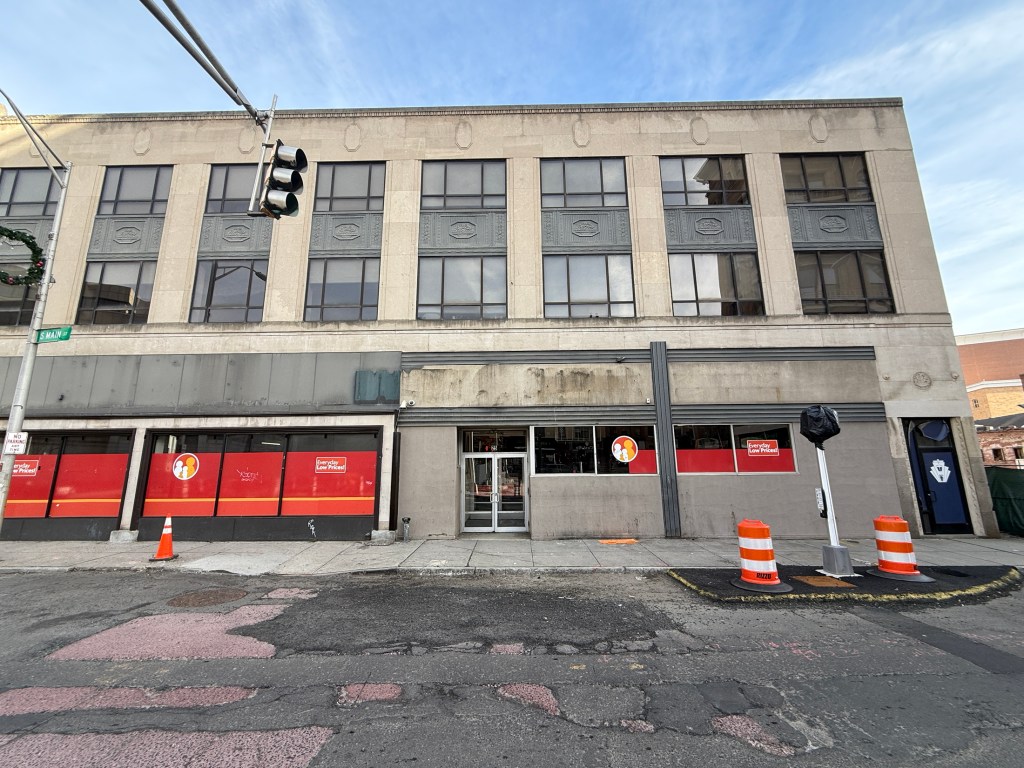
This time, it’s the Family Dollar on South Main Street. And while some will immediately focus on what the neighborhood is “losing,” we should pause and ask a harder question: what were we really gaining in the first place?
Dollar stores have been sold to cities like Waterbury as solutions—quick fixes for food access, affordability, and convenience. But too often, the trade-off is poor customer service, cluttered aisles, understaffed and overwhelmed workers, and operations that feel more chaotic than community-centered. Anyone who has shopped in these stores regularly knows the experience: long lines, empty shelves where essentials should be, and an environment that feels temporary rather than invested.
These stores are not designed to build neighborhoods. They are designed to extract profit from them.
Let’s be clear: dollar stores should supplement a neighborhood’s food ecosystem—not replace it. They should exist alongside full-service grocery stores, local markets, and small businesses. But in too many working-class and low-income communities, they become the only option. When that happens, residents lose access to fresh food, healthy choices, and real economic opportunity.
Price Rite Marketplace Partners with Feed the Children and Boys & Girls Club to Support Waterbury Families
This is not accidental. It is the result of planning decisions—or the lack of them.
City planners and economic development leaders must start thinking with brains, not pockets. The dollar store model is attractive because it’s easy: low overhead, fast approval, minimal resistance. But easy does not mean effective, and cheap does not mean equitable. Allowing entire corridors to be saturated with low-wage, low-investment retail sends a message about what—and who—we value.
When these stores eventually close, as many do, they leave behind empty storefronts, fewer jobs, and communities no better off than before. The cycle repeats, and the neighborhood is blamed for a failure it didn’t design.
New Grocery Store Becomes an Oasis in Waterbury’s Food Desert
Waterbury deserves better than economic shortcuts.
We should be asking tougher questions before welcoming these businesses in:
- Does this store improve food access or limit it?
- Does it invest in local workers or rely on burnout and turnover?
- Does it strengthen the neighborhood—or simply occupy it?
Real economic development is harder. It takes planning, partnerships, and patience. It means supporting local grocers, incentivizing fresh food access, and building mixed-use corridors that serve residents with dignity, not desperation.
A dollar saved at the register is meaningless if the long-term cost is a weaker neighborhood.
Change for a dollar is no change at all.
For more Opinions and Editorial stay link

 The Waterbury Times- Waterbury,CT Local News
Leave a comment