
Waterbury Times Editorial
Waterbury-The early report card on Waterbury’s new Board of Aldermen is mixed.
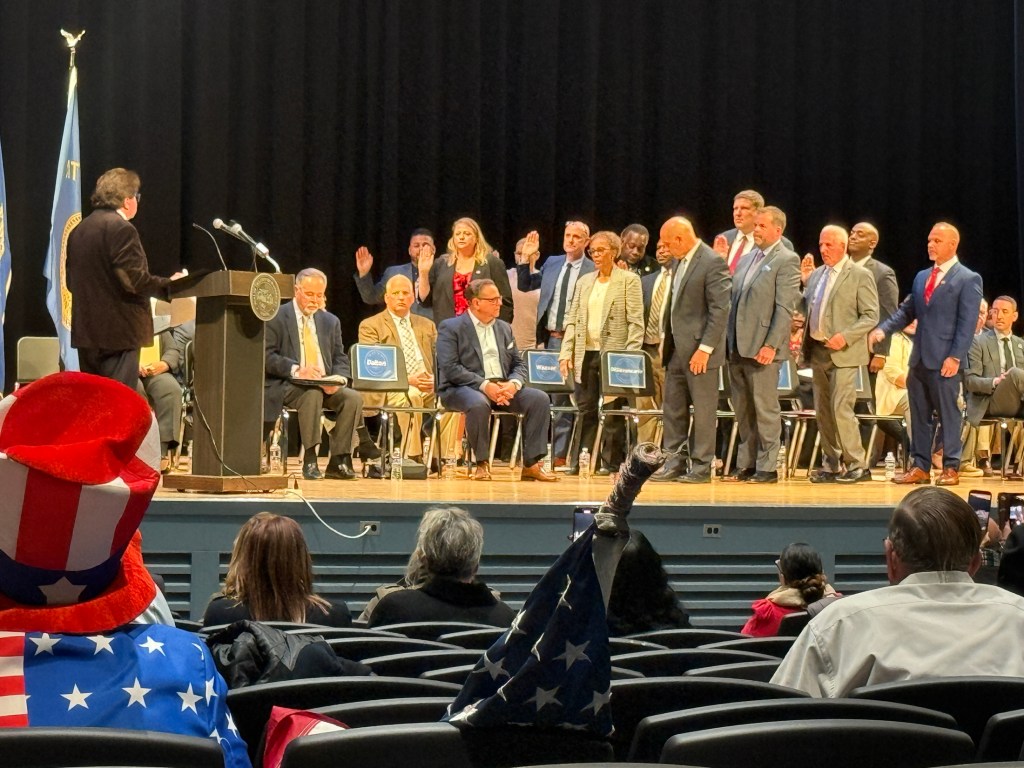
There is no denying the energy. This is a young, vocal, highly engaged group of 15 with real potential to move the city forward. Passion is not lacking. Attendance is not lacking. Debate is not lacking.
Waterbury’s Newly Elected Alderman Feliciano-Roman Challenges BOA Rules in First Meeting, Signaling Democratic Party Split
What is lacking, however, is discipline, communication, and efficiency — and those shortcomings are beginning to surface in ways that should concern residents.
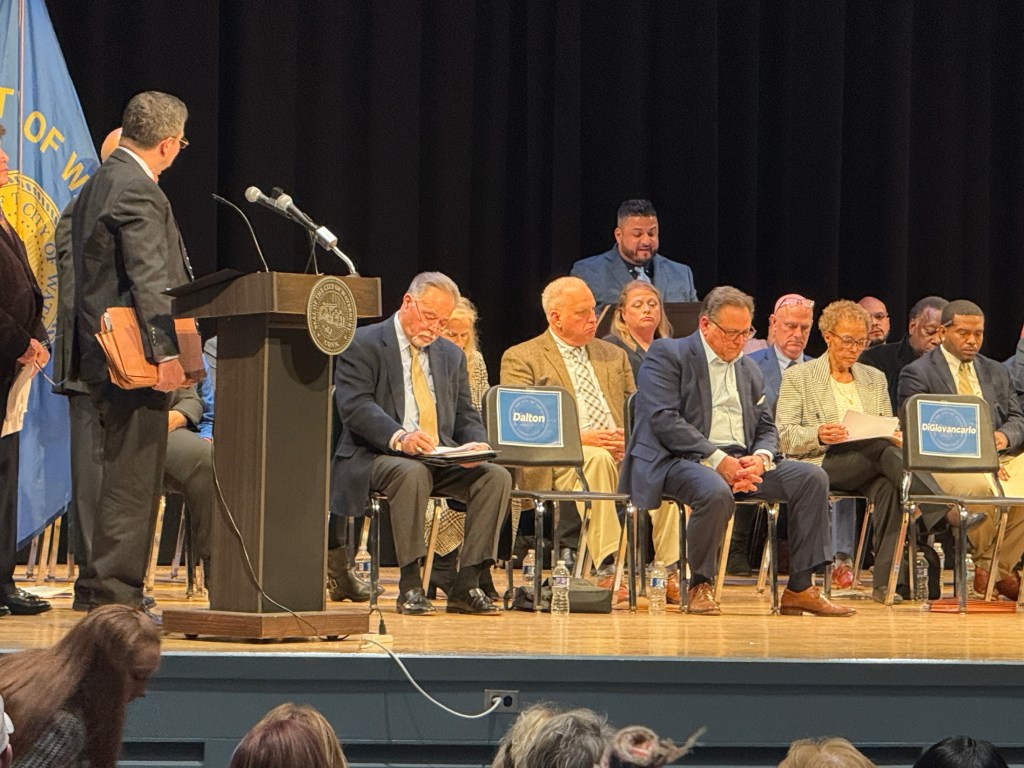
The most glaring example came during recent Board of Aldermen meetings, where a significant amount of public time was consumed by an internal dispute surrounding the Boards and Commissions list submitted to the Mayor. That responsibility, by charter and long-standing practice, belongs to the Minority Leader, currently Alderman Kelly Zimmerman. Instead, a competing list was submitted by Alderman George Noujaim ,triggering confusion, public disagreement, and procedural gridlock.
This was not a policy debate.
This was not ideological conflict.
This was an avoidable communication failure.
🎥 Reel Script: “The Real Republicans of Waterbury” 🇺🇸
What makes the situation more troubling is that both Noujaim and Zimmerman are Republicans. If a party cannot resolve internal responsibilities behind closed doors, it raises legitimate questions about how deeper disagreements will be managed when stakes are higher. The divide within the minority caucus appears deeper than many realized — and it is already affecting the work of the board.
Equally concerning is the growing notion that seven-hour meetings are evidence of democratic strength. They are not.
Lengthy meetings do not equal transparency. Extended procedural battles do not equal accountability. Robert’s Rules of Order were designed to streamline governance, not to be weaponized as a form of punishment or obstruction. When meetings stretch deep into the night over matters that could have been resolved through prior communication, residents are left wondering whether their time — and the city’s business — is being respected.
Democracy functions best when debate is focused, disagreements are managed, and elected officials come prepared to govern — not posture.
This board has promise. The energy is real. The diversity of voices is real. But potential alone does not deliver results. If political beefs, procedural brinkmanship, and internal miscommunication continue to spill into public meetings, the board risks undermining its own credibility early in its term.
Waterbury deserves a Board of Aldermen that debates fiercely and governs efficiently.
The lesson from these early meetings is simple:
Talk to each other before you talk at each other.
The city is watching.
 The Waterbury Times- Waterbury,CT Local News
Leave a comment