
Published by The Waterbury Times
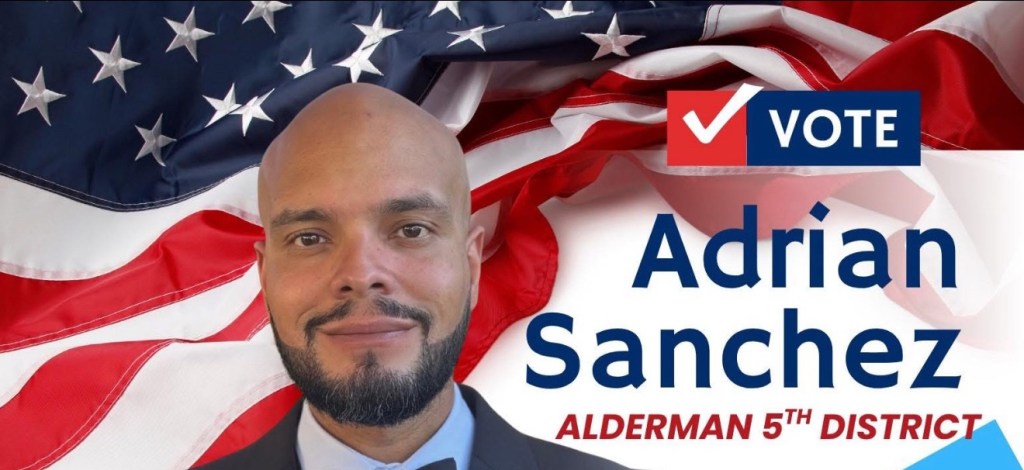
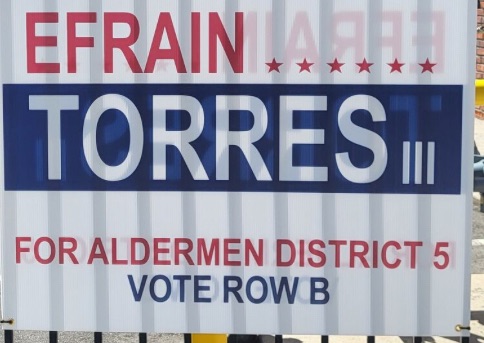
In a small city like Waterbury, where aldermanic races, neighborhood representation and local business‑leaders intersect, the role of the media isn’t just to report — it’s to uphold trust. When news outlets, websites or social posts steer the narrative rather than simply uncover facts, democracy suffers.
Media as Information‑Gatekeeper
Citizens rely on local news for candidate profiles, policy differences, and who will steer the council, budget and city services. Studies show that media coverage of candidates “can affect public perceptions and voter behavior in many ways.” Rutgers University”
When media outlets choose to highlight or omit certain stories, or use language that implicitly frames a candidate as “guilty, shady, outsider” without full context, they shift from informing voters to influencing them.
Narrative‑Control, Not Investigation
In recent local races we’ve seen headlines and online pieces that appear less about “what the candidate stands for” and more about “who’s in the drama,” “who’s opposed,” or “who’s being hit with accusations.” While accountability journalism has its place, when the focus becomes polemical rather than factual, two dangers emerge:
- Pre‑judgment: A candidate may be portrayed as tainted without full evidence, thereby shifting public perception before voters have time to assess the facts.
- Agenda‑setting: By focusing on scandal, side‑bars or personality drama, the media effectively decides which issues “matter,” rather than letting voters decide based on policies, service record and vision. That aligns with what agenda‑setting theory predicts: media don’t just reflect what public thinks about — they help shape it
The Local Stakes Are Real
For the 5th District aldermanic race in Waterbury — and candidates like Adrian Sanchez — this matters. The local electorate isn’t deciding a national narrative; they’re choosing the person who will determine funding for sidewalks, parks, policing, neighborhood zoning, and re‑entry services. When the media frames a candidate as something other than what their record shows, it distorts that decision.
Media Responsibility: Three Principles
- Transparency of Evidence: If making allegations or raising questions (e.g., about residency, business dealings), the media must supply source documents, allow response from the candidate, and make clear what is verified vs. what is allegation.
- Policy and Record‑Based Coverage: Voters deserve stories about what candidates will do, not just what they’ve been accused of. Emphasizing service record, positions, and community vision restores balance.
- Avoiding Implicit Endorsement or Attack: News outlets should aim for fairness, giving every candidate equal opportunity to be heard. Media should not serve as surrogate campaign operatives by pushing or undermining. Research shows that media outlets, by choosing what to cover and how, can indeed sway elections. J-PAL+1
Why This Matters for Waterbury
As a community‑owned and reinvestment‑oriented publication, The Waterbury Times must hold this standard high. Your vote in local races deserves coverage that digs deep, not just salacious headlines. When a business owner running for office (or tied into multiple public roles) becomes a subject, coverage must inspect, yes — but also place that person into the context of neighborhood impact, service, and potential policy consequences.
Final Word
The role of media in elections is powerful. But power must be wielded responsibly. For candidates under fire — and for voters seeking clarity — the message is: inspect the source. When news is framed as a narrative rather than an investigation, democracy gets the short end of the deal. At The Waterbury Times, we commit to coverage that empowers voters by telling both sides, highlighting policy, and rejecting the drift into narrative warfare.

 The Waterbury Times- Waterbury,CT Local News
Leave a reply to This Week in Waterbury : REWIND THE TIMES RECAP— (11.1.25-11.7.25) – the Waterbury times Cancel reply