
By D.M.Livingston|Published Dec 13, 2025
Updated Dec 16, 2025 8:05AM
Waterbury-Residents in Waterbury, Connecticut, are facing a water crisis due to a recent water main break, which has led to a boil water advisory for local households. If you’re wondering what this means for you and your family, here’s a simple guide on how to safely boil your water and other important tips during this emergency.
Waterbury Health Director Clarifies Restaurant Operations During Water Main Crisis
Why Do You Need to Boil Your Water?
Boiling water is essential when there’s a possibility that your tap water may contain harmful microorganisms—tiny organisms that can make you sick. A boil water advisory is issued to prevent contamination and ensure that the water you drink, cook with, and use for hygiene is safe.
THE REAL STORY BEHIND WATERBURY’S WATER MAIN BREAKS
How to Boil Water Safely
Boiling water is easy and effective in killing harmful bacteria, viruses, and parasites. Here’s what you need to do:
- Bring your water to a rolling boil. Make sure the water is bubbling vigorously.
- Boil for at least one minute. Keep the water boiling for a full minute to ensure it’s safe.
- Check for clarity. Before boiling, make sure your water is clear of debris or particles.
- Improve the taste. To reduce the flat taste of boiled water, pour it back and forth between two clean containers a few times.
How to Use Boiled Water
You should use boiled water for various everyday tasks:
- Drinking: Always boil the water for at least a minute.
- Cooking: Boil water before cooking food, washing fruits and vegetables, or preparing baby formula.
- Brushing Teeth: Use boiled or bottled water to brush your teeth, as regular tap water may contain harmful bacteria.
- Washing Hands: Use boiled water when preparing food to wash your hands.
What About Showers and Baths?
- Adults, Teens, and Older Children: You don’t need to boil the water for bathing, but avoid swallowing or getting it in your mouth.
- Infants, Toddlers, and Vulnerable Populations: For safety, use boiled or bottled water when bathing infants, the elderly, or anyone with a weakened immune system.
Can I Give My Pets Tap Water?
Even though animals might not be as affected as humans, it’s recommended to give pets boiled or bottled water during a boil water advisory.
What About Coffee Makers?
If you’re using a coffee maker, don’t rely on tap water—it may not be hot enough to kill any harmful microorganisms. Use boiled or bottled water for coffee preparation.
What to Do About Ice and Dishwashing
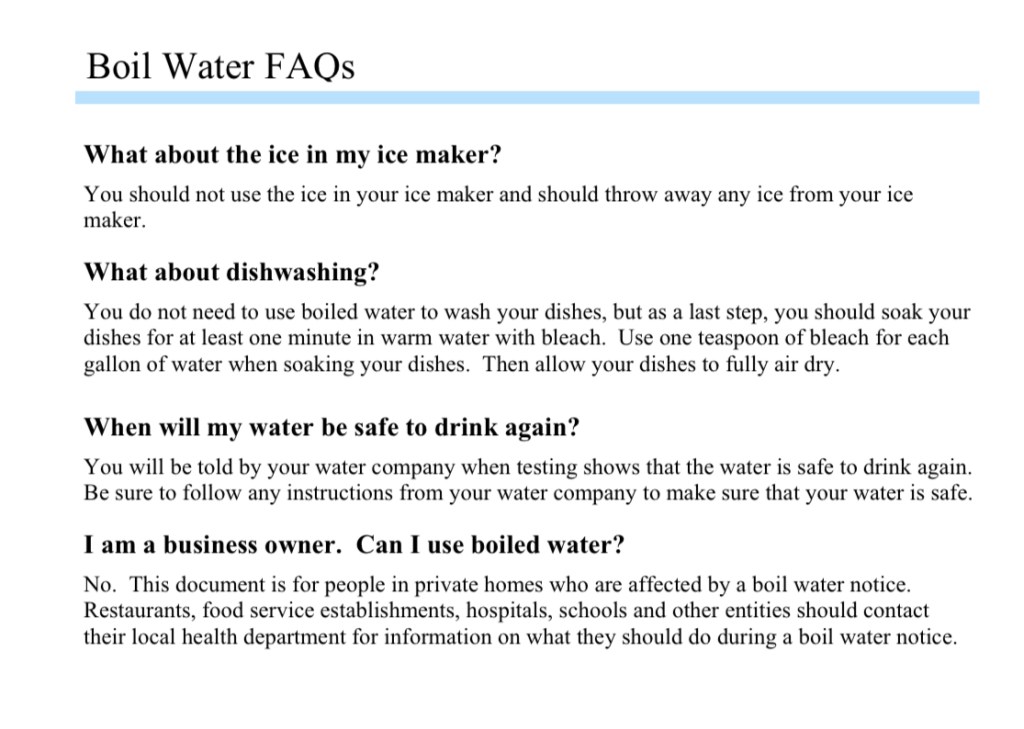
- Ice: Discard any ice made with tap water during the boil water advisory. Do not use ice from your ice maker.
- Dishwashing: While it’s safe to wash your dishes with regular water, make sure to soak them in a bleach solution (one teaspoon of bleach per gallon of water) for at least one minute as a final step. Allow them to air dry completely.
How Long Will the Boil Water Advisory Last?
You’ll be informed by local authorities, like your water company, when the water is safe to drink again. Until then, make sure to follow their instructions carefully to ensure your safety.
Businesses: What Should You Do?
This boil water advisory applies to private homes. Businesses, including restaurants, schools, and hospitals, should contact their local health department for specific instructions on handling the advisory.
Stay Informed and Safe
During a water crisis like the Waterbury water main break, it’s important to stay informed and follow all boil water advisory instructions. For the latest updates on when your water will be safe to drink again, be sure to check for notifications from your water company or local health department.
For more information, visit the Connecticut Department of Public Health’s website at www.ct.gov/dph/publicdrinkingwater or call (860) 509-7333.

 The Waterbury Times- Waterbury,CT Local News
Leave a reply to Could Waterbury Residents Legally Challenge the City After the Water Main Break? – The Waterbury Times- Waterbury,CT Local News Cancel reply