
The Waterbury Times|Editors Desk|Published Mar 29, 2026
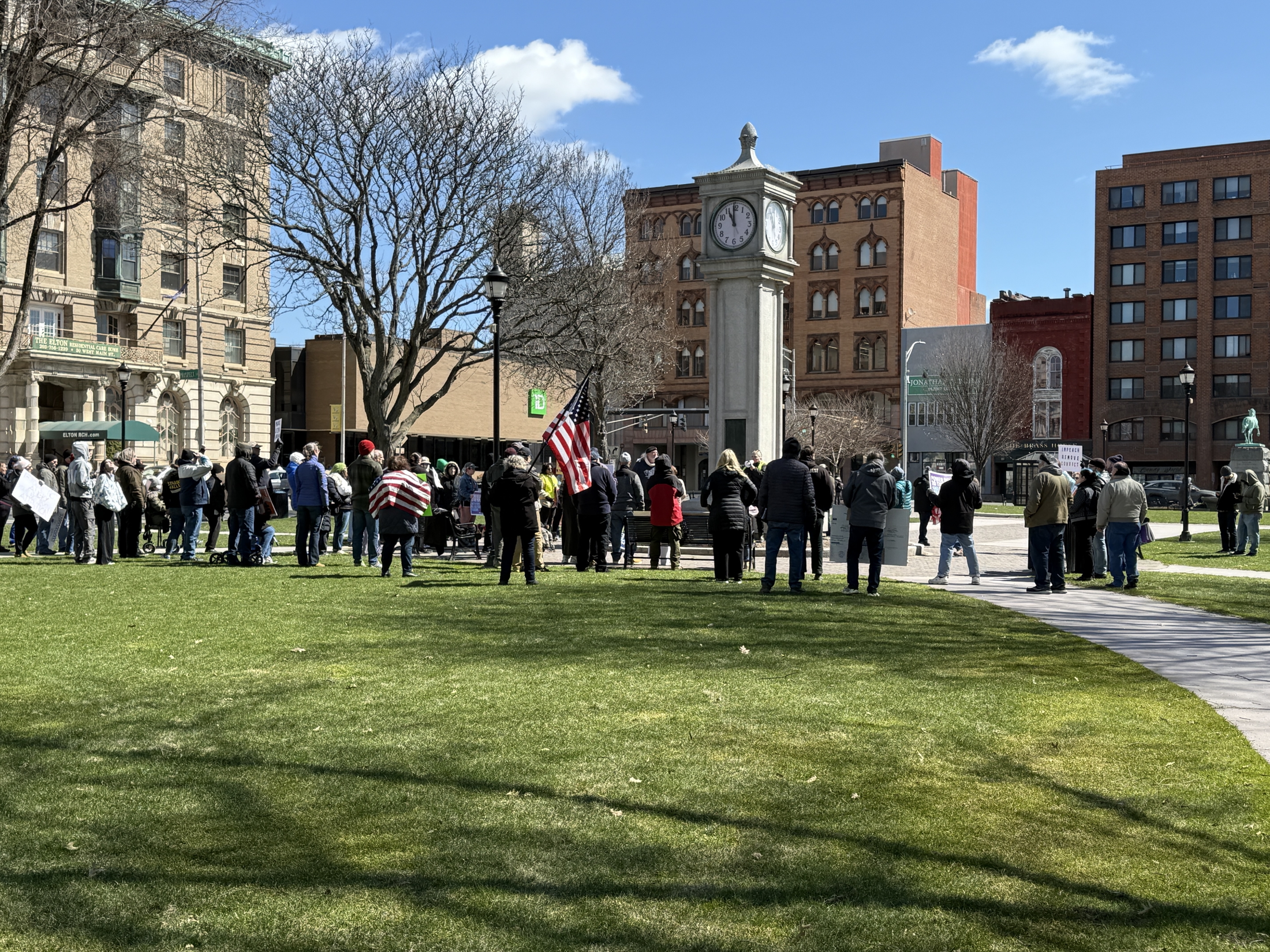
Waterbury- On a recent visit to Waterbury Green, the contrast was hard to ignore. Where once there were dense crowds and palpable energy on June 14—the movement’s early peak—today’s gathering felt noticeably smaller, quieter, and less urgent.

That raises a fair question: is the so-called “No Kings” movement losing momentum?
The Natural Arc of Protest Movements
Historically, protest movements often surge quickly and then taper off. Initial outrage or inspiration brings large crowds, but sustaining that level of participation is difficult. Competing priorities, fatigue, and unclear next steps can all shrink turnout over time.
This doesn’t necessarily mean a movement has failed—it may simply be transitioning from visible protest to less visible forms of engagement. But when that transition doesn’t happen clearly, it can feel like decline.
Protest vs. Action
Can constant protest without concrete outcomes actually achieve change?
Demonstrations are designed to:
- Raise awareness
- Signal public support
- Apply pressure
But by themselves, they rarely produce lasting change. That typically requires:
- Policy proposals
- Electoral participation
- Coalition-building
- Institutional engagement
Without those next steps, repeated demonstrations can begin to feel symbolic rather than impactful.
“This Is What Democracy Looks Like” — Is It?
The chant reflects one interpretation of democracy: public expression, assembly, and dissent.
But democracy also includes:
- Voting
- Legislating
- Negotiating
- Governing
A small group chanting on the City Green is certainly a part of democracy—but it isn’t the whole system. This reflects a common frustration: when visible activism doesn’t translate into measurable outcomes, people start questioning its value.
Are We Seeing Fatigue—or Fragmentation?
Lower turnout can signal several things:
- Fatigue: supporters disengage after repeated events
- Fragmentation: the movement splinters into smaller efforts
- Normalization: the issue no longer feels urgent
- Strategic shift: energy moves into quieter channels
Without clear leadership or goals, movements can drift into repetition rather than progress.
Bottom Line
What we saw in Waterbury may not be the end of a movement—but it does suggest a critical inflection point.
Protest can ignite attention.
But without follow-through, it risks becoming routine.
And when protest becomes routine, it loses the very urgency that made it powerful in the first place.
More Special Reports Waterbury Times Sunday Special Reports-
Related News:
Waterbury Times Sunday Special Report-NO COMMENT: The Silencing of America
Sunday Special Report: In Waterbury, USA vs Dominican Republic Is More Than a Game
Leave a Reply