
The Waterbury Times|Published April 23, 2026
Waterbury- A reported move by the Drug Enforcement Administration to reclassify marijuana would mark one of the most significant federal cannabis policy changes in decades — and could have direct implications for cities like Waterbury.
The proposal, backed by an executive push from President Donald Trump, would lower marijuana’s federal classification, opening the door for expanded research, reduced tax burdens, and easier access to capital for cannabis companies.
While federal policy evolves, Connecticut has already legalized adult-use cannabis. The key question locally is when — or if — Waterbury will allow it to be sold.
Local Control Under Connecticut Law
Connecticut’s cannabis framework is outlined in Connecticut General Statutes Chapter 420f, specifically §§21a-420f through 21a-420v.
The law gives municipalities primary control over cannabis businesses:
- Cities and towns can allow or prohibit recreational cannabis establishments
- They can regulate where businesses operate through zoning
- They can limit the number and type of licenses within their borders
At this time, Waterbury has not approved zoning regulations for adult-use retail. In effect, the city has opted out.
Where Waterbury Stands
Waterbury currently has:
- No approved zoning for recreational dispensaries
- No licensed adult-use cannabis retailers operating legally
Residents must travel to other Connecticut municipalities that have opted in to purchase recreational cannabis from licensed dispensaries.
Unlicensed Sales at Local Smoke Shops
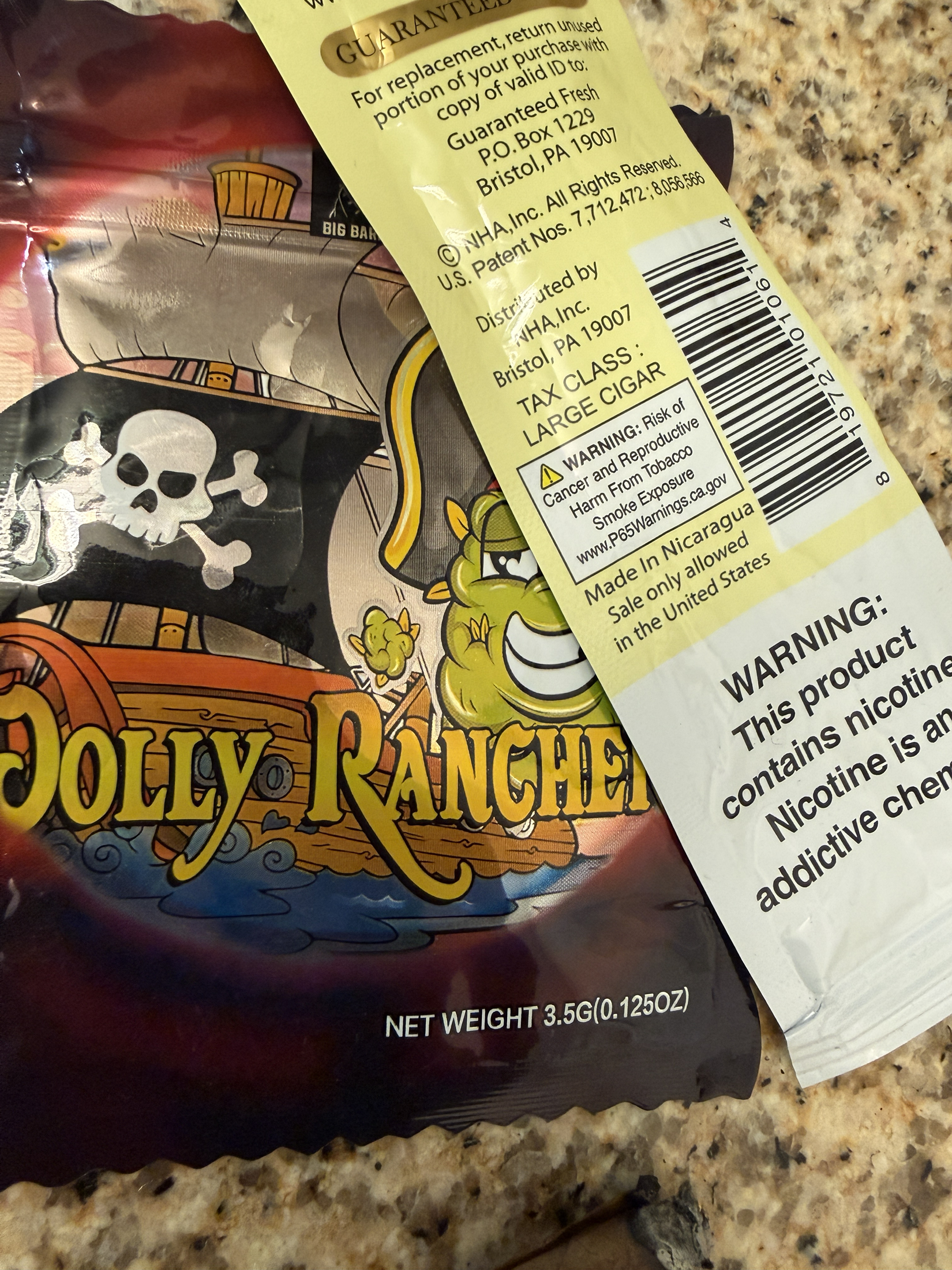
A growing number of vape and smoke shops appear to be allegedly selling cannabis or cannabis-like products. Under Connecticut law, that activity is not authorized unless the business is licensed.
Only retailers approved by the Connecticut Department of Consumer Protection can legally sell cannabis.
If a business sells marijuana without a license:
- It is considered an illegal sale under state regulations
- Enforcement is typically handled as a business violation, not a high-level criminal offense
- Penalties can include fines, product seizure, and potential closure orders
This is a regulatory issue tied to licensing and compliance, not traditional criminal prosecution.
Why Federal Reclassification Matters
If marijuana is reclassified at the federal level:
- Cannabis businesses could gain access to traditional banking
- Research into medical use would expand
- Federal tax burdens on cannabis companies could be reduced
- Investment in the industry would likely increase
For municipalities like Waterbury, that shift raises the stakes. Neighboring towns that allow cannabis sales could continue to capture tax revenue and economic activity, while unregulated markets persist locally.
The Policy Decision Ahead
Waterbury already regulates alcohol, tobacco, and pharmacy sales through zoning and licensing. Cannabis presents a similar regulatory question.
The issue is no longer legalization at the state level. That has already happened.
The decision now is whether Waterbury will establish a framework to regulate and permit cannabis businesses — or continue to leave that market to other municipalities and unlicensed operators.
Bottom Line
Federal policy may be shifting. Connecticut law is already in place.
Waterbury has not yet acted.
The outcome will determine whether cannabis in the city remains unregulated and external — or becomes part of a controlled, local system.
Read More Marijuana Related News
📰 Waterbury Times Investigates: “The Grass City” — What’s Really in Your Weed?
Leave a Reply