
The Waterbury Times|July 16, 2026
WATERBURY, CT — Drivers throughout Waterbury should be aware of upcoming changes to traffic enforcement as the city moves forward with plans to implement Automated Traffic Enforcement Safety Devices (ATESD), including red light and speed cameras, at locations across the city.
Three Days. Three Crashes. Waterbury Forced to Ask Questions About Road Safety (Again)
The devices are part of a broader effort to improve traffic safety, reduce dangerous driving behaviors, and address areas where speeding and traffic violations have been identified as ongoing concerns.
The approved ATESD location list identifies 19 intersections and roadway areas where automated enforcement devices may be installed. The locations include major corridors throughout Waterbury, from East Main Street and North Main Street to Wolcott Street, Chase Avenue, and Watertown Avenue.
Proposed Red Light Camera Locations
The city’s approved list includes nine locations for red light enforcement:
- Chase Avenue at Cooke Street
- East Main Street at Baldwin Street
- North Main Street at Lakewood
- East Main Street at Brass Mill Drive
- Hamilton Avenue at Silver Street Extension
- Cooke Street at Grove Street
- East Aurora Street at Rudy Street (Route 73)
- Watertown Avenue at West Main Street
- West Main Street at East Main Street
Proposed Speed Camera Locations
Ten locations have been identified for speed enforcement:
- 600–900 block of Thomaston Avenue
- Baldwin Street south of Madison Street
- Cooke Street at Farmington Avenue
- Prospect Road at East Mountain Avenue
- 2060 South Main Street
- 300 Chase Avenue
- 580 Wolcott Street
- Watertown Avenue at Media Avenue
- East Aurora Street at Gear Street
- North Main Street at Bucks Hill Road
What Residents Should Know
Automated Traffic Enforcement Safety Devices are intended to supplement traditional traffic enforcement efforts. The cameras are designed to document violations at approved locations, allowing authorities to review incidents and issue citations when violations occur.
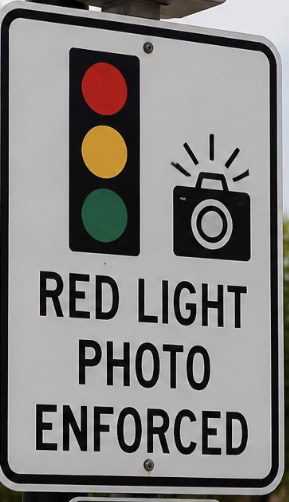
Before enforcement begins, municipalities must follow state requirements, including proper signage notifying drivers that automated enforcement is active in the area.
The city’s approved locations also identify whether each site falls within a Qualified Census Tract (QCT), a federal designation often used in community investment and infrastructure planning. Several of the proposed camera locations are listed within QCT areas.
Public Awareness and Transparency
As Waterbury prepares for the potential rollout of automated traffic enforcement, residents and drivers are encouraged to become familiar with the planned locations and understand how the new system may impact driving habits.
Supporters of automated enforcement argue the technology can improve safety by discouraging speeding and dangerous intersection behavior. Others have raised questions about privacy, enforcement practices, and the role of technology in policing public roads.
The Waterbury Times will continue monitoring the city’s ATESD implementation process and will provide updates regarding installation timelines, public notices, and when enforcement is expected to begin.
Leave a Reply