
The Waterbury Times|Consumer Protection|Nov 13, 2026
The Waterbury Times has formally contacted hotel management seeking answers about whether conversations are being recorded, where recordings are stored, who can access them and what legal authority supports the practice.
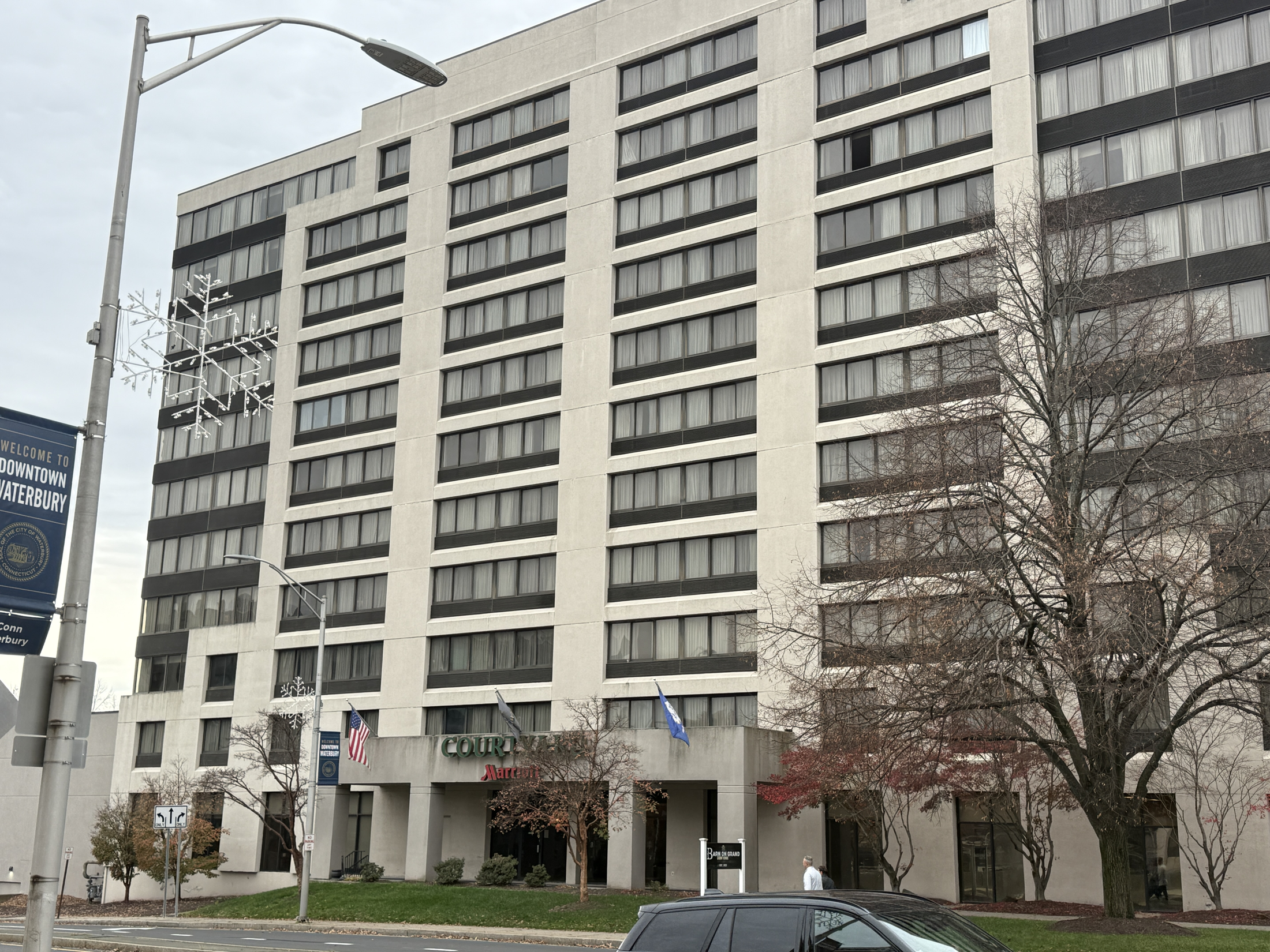
WATERBURY— Is the Marriott Waterbury recording conversations inside its lobby?
If so, where is that audio being captured? When is recording taking place? Who has access to the recordings? How long are they retained? And, perhaps most importantly, what legal authority permits the practice?
Those are among the questions The Waterbury Times is now seeking to have answered.
The newspaper has formally contacted Tiffany Matthews of the Waterbury Marriott, requesting clarification about the hotel’s audio and video surveillance practices following previous discussions with hotel management concerning the recording of activity inside the property.
During an earlier conversation, hotel management stated that the property was permitted to conduct the recording.
That statement, however, left several important questions unanswered.
The Waterbury Times is seeking to establish whether the hotel’s surveillance system captures audio in addition to video, whether conversations are recorded continuously or under specific circumstances, and whether guests, visitors, employees and others entering the lobby are subject to that recording.
The inquiry also asks where recordings are stored, how long they are retained, who within the hotel or Marriott organization can access them, and whether outside security contractors or third-party technology providers have access to the material.
The legal question
Audio recording presents questions that are distinct from ordinary video surveillance.
Connecticut has laws governing the recording and interception of conversations, including Connecticut General Statutes §§ 53a-187 and 53a-189, which address definitions and the offense of eavesdropping.
The application of those statutes depends on the circumstances, including who is recording, whether a person participating in a conversation is involved, and whether conversations are being intercepted by someone who is not a participant.
The newspaper is not asserting that the Marriott has violated Connecticut law. Rather, it is asking hotel management to identify the specific statutory or other legal authority upon which its recording practices are based.
The inquiry also asks whether the hotel’s policy has been reviewed by legal counsel for compliance with applicable Connecticut recording and privacy laws.
Questions that deserve answers
Hotels have legitimate security responsibilities. Video surveillance can play an important role in protecting guests, employees and property.
But when surveillance potentially extends beyond images to the actual conversations taking place inside a lobby, additional questions deserve public attention.
People entering a hotel lobby should have a reasonable understanding of what surveillance is taking place, what information may be collected, and how that information is handled.
The Waterbury Times believes these questions warrant clear answers rather than assumptions about what a security camera may or may not be capturing.
Awaiting Marriott’s response
The Waterbury Times has requested a written response from hotel management addressing the questions outlined in its inquiry. The newspaper has also requested any publicly available surveillance policies or documentation that Marriott is willing to provide.
As of publication, the newspaper is awaiting a response.
This is an ongoing inquiry. The Waterbury Times will update this reporting as additional information becomes available, including any explanation provided by hotel management regarding the scope of its surveillance system and the legal authority supporting its use.
For now, the central questions remain:
Is audio being recorded inside the Marriott Waterbury lobby? Where, when and how is that recording taking place? Who has access to it, and why is it being collected?
The public deserves to understand the answers.
Leave a Reply