
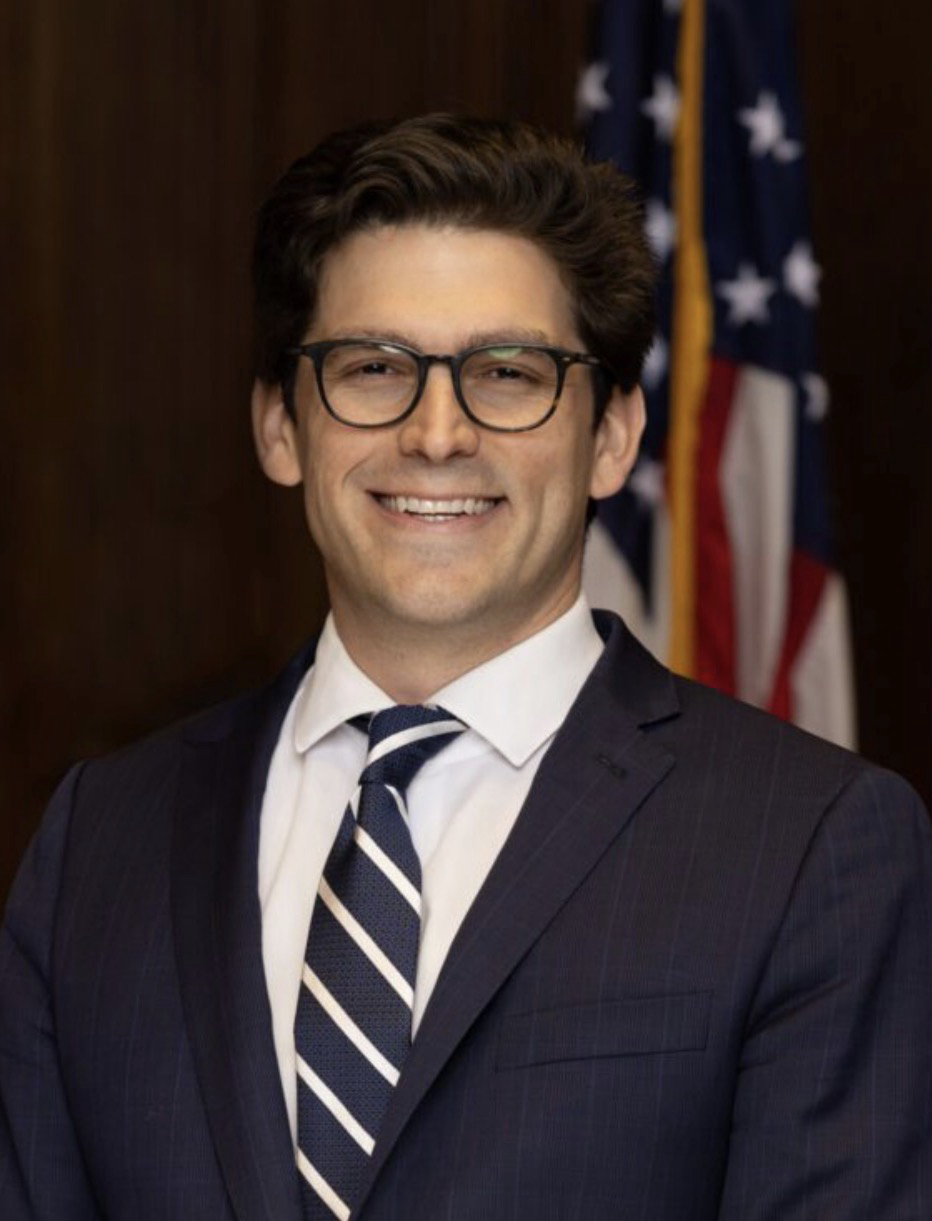
Ryan Fazio’s Endorsement of Chris Shea Raises a Broader Question in Connecticut Politics
The Waterbury Times|Civic Report|June 23, 2026
Hartford- Ryan Fazio, the Republican state senator from Greenwich and current GOP nominee for governor of Connecticut, recently endorsed Chris Shea in Shea’s run for Congress in Connecticut’s 5th District.
The endorsement itself is not unusual in politics. Candidates routinely support others within their party, especially during primary contests or competitive general elections. But it does raise a broader question that often goes unexamined by voters:
What does it actually mean when a candidate running for higher office endorses another candidate—especially when they themselves are still seeking election?
Endorsements as Political Currency
In modern campaigns, endorsements are less about formal authority and more about political signaling.
When a candidate endorses another candidate, it can indicate:
- alignment on policy priorities
- shared party infrastructure
- mutual political support within party networks
- strategic relationship-building for future cooperation
In this sense, endorsements function as political currency rather than governing action.
They do not carry legal weight or policy authority. Instead, they reflect relationships, influence, and perceived credibility within a party structure.
Why It Matters During an Active Campaign
Fazio is currently running for governor, a statewide executive role that would give him significant governing authority if elected. At the same time, his endorsement of another candidate places him in the role of political validator—supporting other candidates while still seeking voter approval for his own position.
This raises a structural question in campaigns:
Should voters interpret endorsements from active candidates as:
- a meaningful indicator of leadership and coalition-building ability?
or - routine political strategy with limited informational value?
The Question of “Authority Before Office”
One of the central tensions in campaign endorsements is timing.
Candidates for higher office are often still in the process of seeking legitimacy with voters. Yet endorsements can create the impression of political authority or establishment status before that authority is formally granted.
This leads to a broader public question:
Does endorsing other candidates enhance a candidate’s credibility—or does it risk projecting influence they have not yet earned through election?
There is no single answer. It depends on how voters interpret political behavior and how closely they follow campaign dynamics.
How Voters Typically Should Interpret Endorsements
Political analysts generally view endorsements as:
- signals of alignment, not evidence of competence
- indicators of party relationships, not governing ability
- strategic decisions, not neutral evaluations
In most cases, endorsements are more about political ecosystem positioning than policy performance or leadership record.
For voters, that means endorsements can be informative—but they are not dispositive.
Why This Conversation Is Relevant in Local Contexts Like Waterbury
Even when endorsements occur in statewide or federal races, they still matter at the local level. Decisions made by Connecticut’s governor and congressional delegation directly affect cities like Waterbury in areas including:
- municipal funding and taxation
- healthcare systems and hospital oversight
- housing and development policy
- infrastructure and environmental regulation
As a result, understanding how candidates build alliances and signal political relationships becomes part of evaluating their broader governing approach.
The Bottom Line
Ryan Fazio’s endorsement of Chris Shea is a standard political move within party politics. But it also highlights a recurring question in elections:
Endorsements are not governing actions—they are strategic signals.
And for voters, the key issue is not just who endorses whom, but what those relationships reveal about how a candidate might govern if elected.
Jonathan DeBarros Addresses Waterbury Republican Town Committee, Momentum Builds for 5th District Race
Coast Guard Veteran Christopher Lancia Launches Bid for Congress
Leave a Reply